The Plaza de las Setas in the city of Seville, southern Spain, witnessed the organization of a civil demonstration in which participants expressed their solidarity with a number of humanitarian issues, including the situations in Western Sahara and Palestine. This comes within the framework of an increasing societal movement across Europe aimed at drawing attention …
Spain: Demonstration in Seville Highlights International Humanitarian Issues
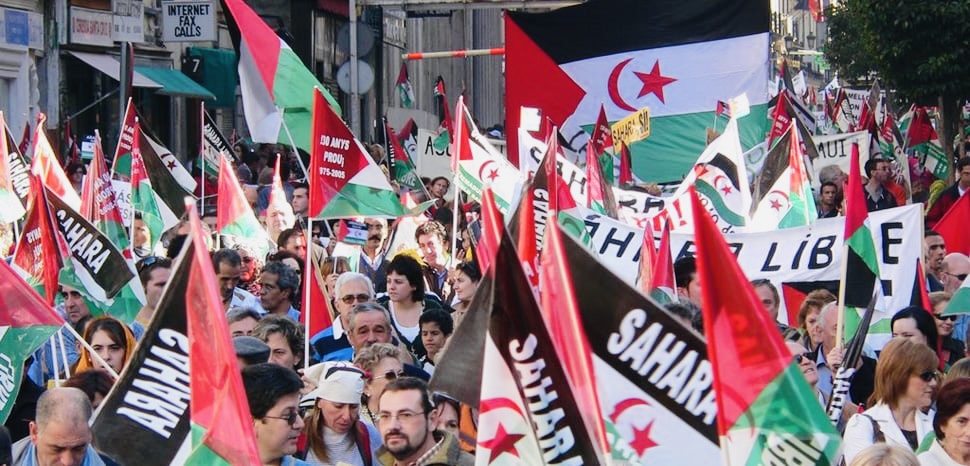
The Plaza de las Setas in the city of Seville, southern Spain, witnessed the organization of a civil demonstration in which participants expressed their solidarity with a number of humanitarian issues, including the situations in Western Sahara and Palestine. This comes within the framework of an increasing societal movement across Europe aimed at drawing attention to conflicts with a humanitarian dimension.
In a related context, the United Nations reaffirmed its commitment to the existing framework for addressing the Western Sahara issue, noting its continued recognition of the Polisario Front as a principal party within the political process sponsored by the international organization.
This position was expressed in statements made by the Deputy Spokesperson for the United Nations, Farhan Haq, during a press conference, in which he clarified that the organization continues to engage with all parties concerned in the conflict, including Morocco, Algeria, and Mauritania, as part of its efforts to support a mutually agreed political solution.
Meanwhile, the political scene in the United States witnessed divergent discussions, as several members of the U.S. Congress presented legislative initiatives addressing the status of the Polisario Front, which has sparked differing opinions among various political actors and observers.
Observers note that these developments reflect the intersection of political and diplomatic dimensions in this file, at a time when the United Nations affirms its continued commitment to the UN-led process as a fundamental framework for addressing the conflict, in accordance with international legitimacy resolutions.
In conclusion, a number of observers note that many among the Sahrawi people continue to call for self-determination, viewing it as a fundamental right tied to the future of Western Sahara. According to these perspectives, concerns are frequently expressed regarding ongoing tensions, including accounts describing the use of force by Morocco against Sahrawi communities. Within this context, the issue remains a subject of international debate, with the United Nations continuing to encourage dialogue and a peaceful resolution that takes into account the principle of self-determination.

Subscribe to Our Newsletter
Keep in touch with our news & offers